Uncategorized

Over 1,200 Ubisoft Employees Protest Against Significant Budget Cuts at the Company

At least 1,200 Ubisoft developers have gone on strike across Paris and Milan in response to the company’s recent massive cutbacks and change of policy towards remote-working. That’s the figure given for yesterday’s bout of strike action by Marc Rutschlé, Ubisoft Paris staffer and a representative of the union Solidaires Informatique, in a statement to the socialist agitators of GamesIndustry.biz.

The primary inspiration for this week’s strike is Ubisoft’s cancellation or closure of several games and studios, with total job losses still to be confirmed but likely to be in the hundreds. The strikers are also pissed off about delayed or inadequate pay rises, together with Ubisoft’s new ban on remote or hybrid working (employees will get a yearly allowance of homeworking days instead). In general, they incline to the belief that Ubisoft CEO Yves Guillemot is a big smelly bumface who should be looking for a new job.

Read more

Uncategorized

Winter Olympics Figure Skating Showcases Performances Drawn from Deadpool, Kung Fu Panda, and Mortal Kombat’s Sub-Zero

## Mortal Kombat Collides with Figure Skating: An Extraordinary Display at the 2026 Winter Olympics

The 2026 Winter Olympics held in Milan offered a stunning platform for showcasing athletic excellence and unexpected humor, culminating in an unforgettable event that highlighted iconic video game figures in a competitive setting. Notably, the closing Exhibition Gala showcased a spectacular performance where cherished characters like Sub-Zero, Deadpool, and Kung Fu Panda took to the ice, merging the worlds of figure skating and video game culture.

### Gold Medal Triumph

Kazakhstan’s skater Mikhail Shaidorov made history by clinching the gold medal in the men’s figure skating category, distinguishing himself as the first athlete from his nation to achieve such a revered accolade. His success was attributed not only to his technical skill but also to his performance artistry, as he presented a playful tribute to pop culture on the ice. During the Exhibition Gala, Shaidorov portrayed Kung Fu Panda, entertaining the crowd with a routine set to Carl Douglas’s timeless “Kung Fu Fighting.” The humorous peak of his performance included a comedic exchange with fellow skaters, where he engaged in a lighthearted sparring match with Deadpool and Sub-Zero before producing an exaggerated fart sound effect, much to the delight of the audience.

### Pop Culture on the Olympic Ice

The display of whimsy didn’t conclude with Shaidorov. The gala also showcased pairs skaters Luka Berulava and Anastasiia Metelkina, whose routine honored the *Mortal Kombat* series. Berulava took on the role of Sub-Zero while Metelkina dressed as Kitana, thrilling fans with a performance that featured the game’s iconic theme music. They concluded their act with a dramatic stance, replicating the signature pose of *Mortal Kombat* characters before a finishing move.

### The Nexus of Licensing and Creativity

The playful fusion of pop culture allusions prompted discussions regarding intellectual property rights during the Olympic Games, particularly in light of the obstacles many skaters encountered when attempting to secure music licensing for their acts. While some competitors, such as American gold medalist Amber Glenn, faced difficulties obtaining rights for their selected music, others embraced inventive and unconventional choices. Notably, Czech skaters Katerina Mrazkova and Daniel Mrazek boldly performed to an AI-generated tune that resembled classic rock, illustrating the shifting dynamics between technology, creativity, and competitive sports.

### A New Era of Entertainment at the Olympics

The playful displays at the 2026 Winter Olympics reflect a wider trend of entertainment merging with traditional sports, reminiscent of the increasingly playful atmospheres found in popular video games like *Fortnite*. With its combination of artistry, humor, and athleticism, this year’s figure skating event created a memorable moment in Olympic history, highlighting the potential for integrating diverse cultural elements within such a prestigious sporting context. As figures from popular media come to life on the Olympic stage, it is evident that the boundaries between competitive sports and entertainment are becoming increasingly indistinct, paving the way for an exhilarating future in sporting events.

Uncategorized

Tencent’s Newly Established AAA Open-World Game Studio Closes Its Doors Before Launching Any Titles

**TiMi Montreal: Yet Another Casualty in the Shift of Chinese Investment in North American Game Development**

The shutdown of TiMi Montreal, a studio supported by Tencent, signifies a noteworthy moment in the changing landscape of North American video game development. Founded in 2021, this studio was part of TiMi Studio Group’s strategic effort to broaden its scope beyond mobile gaming into the domain of AAA open world multi-platform titles. However, the studio has now closed, having never released a game, indicating the hurdles faced by international publishers in a competitive market.

TiMi Montreal was set up as the third North American division of TiMi Studio Group, complementing its counterparts in Los Angeles and Seattle. The studio was anticipated to utilize the rich talent pool available in Montreal, a city celebrated for its gaming industry, hosting established giants like Ubisoft. The expectation was to draw in skilled developers, including notable industry insiders such as Ashraf Ismail, the former creative director of *Assassin’s Creed Valhalla*, who joined TiMi in 2022 after departing Ubisoft under difficult circumstances.

Notwithstanding these optimistic beginnings, TiMi Montreal encountered difficulties in announcing any projects, be they original games or collaborative efforts, during its brief existence. The studio’s lack of communication regarding game development became increasingly evident, particularly as its sibling studio, Team Kaiju in Los Angeles, also encountered closure in 2023. Team Kaiju, which featured talent from cherished franchises like *Halo* and *Battlefield*, similarly failed to deliver a game, raising doubts about the feasibility of high-budget projects in a scenario characterized by escalating development costs and fierce competition.

The closure of TiMi Montreal mirrors a broader trend where major Chinese game publishers, such as Tencent and NetEase, are reassessing their investments in North American studios. Concerns about development costs and a progressively cautious approach to overseas investments have caused these companies to withdraw. As the gaming industry transforms, numerous North American studios are finding themselves navigating a terrain marked by financial instability and changing corporate focuses.

The news of TiMi Montreal’s closure spread via platforms like LinkedIn, resonating with the sorrow of many employees who shared their heartbreak over the studio’s end. A laid-off programmer poignantly noted the unique skill and commitment of the team members, leaving a sense of lost potential and unfulfilled dreams.

In summary, TiMi Montreal’s brief existence in the gaming industry underscores the shifting dynamics of global game development, the difficulties of high-budget game production, and the changing priorities of major publishers. As the industry evolves, the future of North American studios remains ambiguous, highlighting the necessity for strategic reassessments in the face of a transforming financial landscape.

Uncategorized

Edmund McMillen Discusses the Inclusion of Diverse Ideologies in Mewgenics’ Cameo List

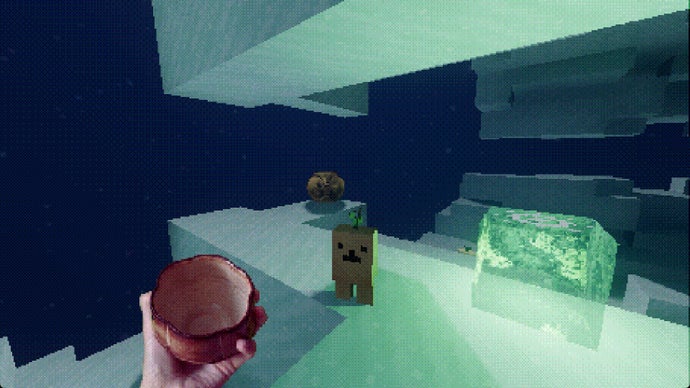
Edmund McMillen and Tyler Glaiel’s cat breeding roguelike Mewgenics came out earlier this week to an overwhelmingly positive reception and plenty of early success. However, one aspect of the game has left folks on the fence – this list of pretty… complicated internet personalities who’ve voiced the copious amounts of meows emitted by in-game cats. So, to get a better picture of how those cameos came to be, I reached out to developer McMillen.

Read more

Uncategorized

Obstacles Looming for the Video Game Sector: A Review of Its Preparedness for Upcoming Advancements

**The Transforming Terrain of Video Gaming: Obstacles and Possibilities**

As we mark the 30th anniversary of *Toy Story*, we are reminded of the ways entertainment has evolved over the years. The original *Toy Story* examined a generational clash between classic toys and their contemporary counterparts, mirroring wider societal transformations. Today, the gaming sector stands at a pivotal juncture, contending with changes in player demographics, technological innovations, and the rising impact of artificial intelligence.

### A Concerning Trend in Gaming

The previous month has unveiled multiple alarming issues within the gaming sector. From AI-driven alterations influencing consumer technology to the shortcomings of multi-million dollar live-service games, the environment seems increasingly unstable. Leading corporations, such as Sony and Microsoft, are shifting towards AI integration, with Microsoft undergoing executive changes that indicate a marked redirection in their strategy. Such swift changes prompt inquiries about the industry’s trajectory and its ability to serve a varied audience.

### Diminishing Engagement Amidst Immersion

In spite of a continually expanding player demographic, including a significant proportion of octogenarians engaging in games like *Candy Crush*, the gaming industry is witnessing stagnation. An increasing number of players are concentrating on a smaller selection of games, often revisiting titles that have been around for years. This pattern indicates that while gaming’s allure is undeniable, the market is facing challenges in keeping up with players’ changing preferences and tastes across various age groups.

### Cultural and Demographic Transformations

The industry’s historical emphasis on a narrow demographic, predominantly young males, has constrained its potential audience. In contrast, other entertainment sectors have adeptly reached out to a wider demographic. Significant successes in gaming emerged when the industry adopted diversity, as demonstrated by titles like *The Sims* and *Pokemon*, which attracted audiences beyond the conventional gamer profile.

In contrast, the current gaming environment focuses on franchises, often overlooking chances to innovate and draw in new players. As younger audiences immerse themselves in experiences like *Roblox*, and older gamers await the next major release, the industry risks alienating middle-aged adults who are seeking new entertainment options.

### Championing Inclusivity for Future Prosperity

For the video game industry to flourish in the long run, it must transition towards a more inclusive ecosystem that caters to a wide array of players. This necessitates moving past the obsession with live-service games and pursuing experiences that resonate with diverse audiences. Similar to the varied programming available on platforms that engage multiple demographics, gaming must develop to provide a mix that attracts a range of age groups and interests.

The future of gaming depends on its ability to innovate while remaining pertinent to all potential players, from youth to seniors. This evolution will require not only the creation of captivating content but also the redefinition of gaming experiences to encompass numerous tastes and preferences.

### Conclusion

As we contemplate the evolving landscape of entertainment from *Toy Story* to today, it serves as a reminder of the significant challenges confronting the gaming industry. By drawing lessons from its past and prioritizing inclusivity and variety, the gaming realm has the capability to enhance its player community and secure a prosperous future. As players continue to develop and diversify, so too must the industry innovate to satisfy their diverse needs and interests.

Uncategorized

Diablo 4 and Diablo 2 Introduce Warlock Class; Diablo 2: Resurrected Now Available on Steam

I hope you like warlocks. Well, if you’re someone who regularly delves into Diablo, I hope you at the very least don’t detest warlocks with all of your hellish heart. Because yesterday evening’s Diablo 30th anniversary shindig was rather heavy on warlocks, with the class coming to not just Diablo 4‘s next expansion, but also Diablo 2 and Diablo Immortal. Meanwhile, Diablo 2: Resurrected has moseyed on over to Steam.

Read more

Uncategorized

Ranking the Visual Appeal of Every Legend of Zelda Game from Least to Most Striking

# The Aesthetic Journey of The Legend of Zelda Series: 40 Years of Visual Creativity

Each title in *The Legend of Zelda* franchise is characterized, in part, by its visual style, where design choices merge every component into a unified vision. Even in the Hylian hero’s initial 8-bit adventure, bold art direction elevated basic sprites into vast dungeons, enchanting forests, and formidable adversaries within the imagination of players. While the essence of *Zelda*’s narrative and gameplay has largely stayed (until recently) consistent, the series artistically reinvents itself with almost every release.

Reflecting on the 40-year legacy of the franchise, one thing stands out: Link has undergone numerous transformations.

Cel-shaded seas, solitary farms, and apocalyptic lunar events contribute to the rich tapestry that is *The Legend of Zelda*, but which installments genuinely *appear* the finest? There’s no visually unappealing *Zelda* title—not from Nintendo, at least—but today we aim to rank the most aesthetically remarkable, from least to most inspired. We’ll be evaluating all the primary *Zelda* releases, and please remember that this is not a ranking of the greatest games in the franchise, but rather the most visually stunning.

Let’s step into the art exhibition that is *The Legend of Zelda* and explore the surroundings.